Did you know children can spend up to 60% of their time at home in their personal space? This makes its organization incredibly important.
A well-planned environment does more than look good. It creates a functional, safe, and beautiful zone for sleeping, playing, and growing. Thoughtful design balances aesthetics with hard-working practicality.
Smart layout choices maximize every square foot available. They promote self-reliance and encourage creativity. This guide will show you the path to achieving that perfect balance.
We cover everything from assessing your child’s unique needs to implementing crucial safety measures. You’ll discover zone-based strategies, clever storage ideas, and smart furniture selection tips.
The best part? These principles work for any room size or budget. Whether designing for one child or siblings sharing, you can create a space that lasts for years without a complete overhaul.
Key Takeaways
- A well-organized room supports sleep, play, and healthy development.
- Good design must balance visual appeal with everyday practicality.
- Effective use of space can promote independence and creativity.
- Creating distinct activity zones helps keep the area functional.
- Safety is a non-negotiable priority in any layout plan.
- Choices made today should adapt as your child grows older.
- You can implement these ideas regardless of your design experience or budget.
Designing a Kid-Friendly Space
The foundation of a great layout begins with understanding the unique little person who will use it. A truly effective personal area is built around their world.
It blends safety with inspiration, creating an environment that feels both supportive and exciting. The goal is a functional haven that reflects their personality.
Assessing Your Child’s Needs
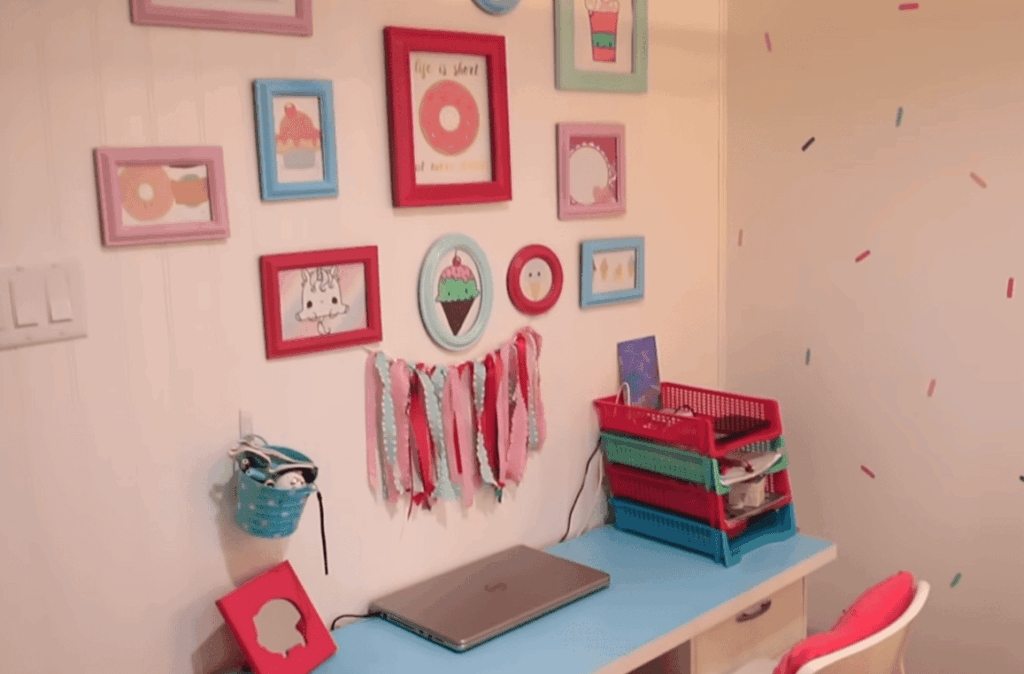
Start by considering age, hobbies, and daily routines. A toddler needs open floor space for play, while a school-age child requires a dedicated spot for homework.
Involving your youngster in the process fosters pride. This sense of ownership makes them more likely to maintain an organized room over time.
Defining Room Zones
A smart method is to divide the area into clear activity zones. Think sleep, play, study, and storage. This creates visual order, even during creative chaos.
Cleanup becomes simpler when everything has a designated home. This zonal design is also wonderfully adaptable, growing seamlessly with your child for years.
Why Functionality Matters in Kids Bedrooms
Parents often face a choice: create a space for today’s favorite cartoon or build a room that will grow gracefully for a decade. The most common request is for a timeless personal area. You want a foundation that lasts for years.
Smart design builds on classic furniture and neutral colors. This core setup remains constant. Then, you can refresh the look easily with new bedding, posters, and playful accessories.
This approach saves significant time, money, and effort over the long run.
Long-Term Versatility
Choosing versatile pieces is a wise investment. A well-made dresser or bookcase can move to a guest bedroom or home office later. These items become worthwhile additions to your home, not disposable clutter.
Select beds and core items with sophisticated, classic styling. Avoid loud, themed pieces a child will outgrow quickly. Opt for clean lines and quality materials you genuinely like.
A functional layout supports changing needs. A cozy reading nook can transform into a dedicated study corner. Open floor space for toys later hosts a teen’s hobby projects.
Practical aspects matter most in daily life. Durable surfaces, easy-to-clean fabrics, and accessible storage make maintenance simpler. When the base is calm and intentional, the entire area looks sophisticated, even when play is in full swing.
How to Arrange Kids Bedroom Furniture?
A thoughtful layout is the secret to a room that works as hard as it plays. Begin with the largest piece—the bed. Positioning it against a solid wall, rather than under a window, reserves the sunny spot for play and study.
Incorporating Practical Tips
Keep the immediate space around the sleeping area clear. This allows for safe, easy access and a tidy appearance. It also simplifies making the bed each morning.
Introduce symmetry with matching nightstands or lamps. This creates a calming, pulled-together look that feels organized. The design principle is easy for the eye to understand, reducing visual clutter.
Arrange all pieces to establish clear pathways through the room. Children should move safely between zones without obstacles. For larger areas, consider floating furniture away from walls to define activity zones more clearly.
Balancing Fun and Function
Select core furniture with clean lines and timeless appeal. Reserve playfulness for items you can swap easily, like bedding and wall art. This way the bedroom grows with your child without a major overhaul.
The goal is a functional layout where every piece has a purpose. It should support how your child actually uses the space. These practical ideas ensure the area is both joyful and hardworking.
Incorporating Storage and Multi-Functional Furniture
Maximizing every inch of a child’s domain requires clever solutions that blend storage with function. The right furniture and organization ideas keep the area tidy and support independent play.
Accessible storage lets children manage their own belongings. This fosters pride and responsibility from a young age.
Creative Storage Solutions
Think vertically and use hidden areas. Placing a dresser inside a walk-in closet frees up precious floor space for activities.
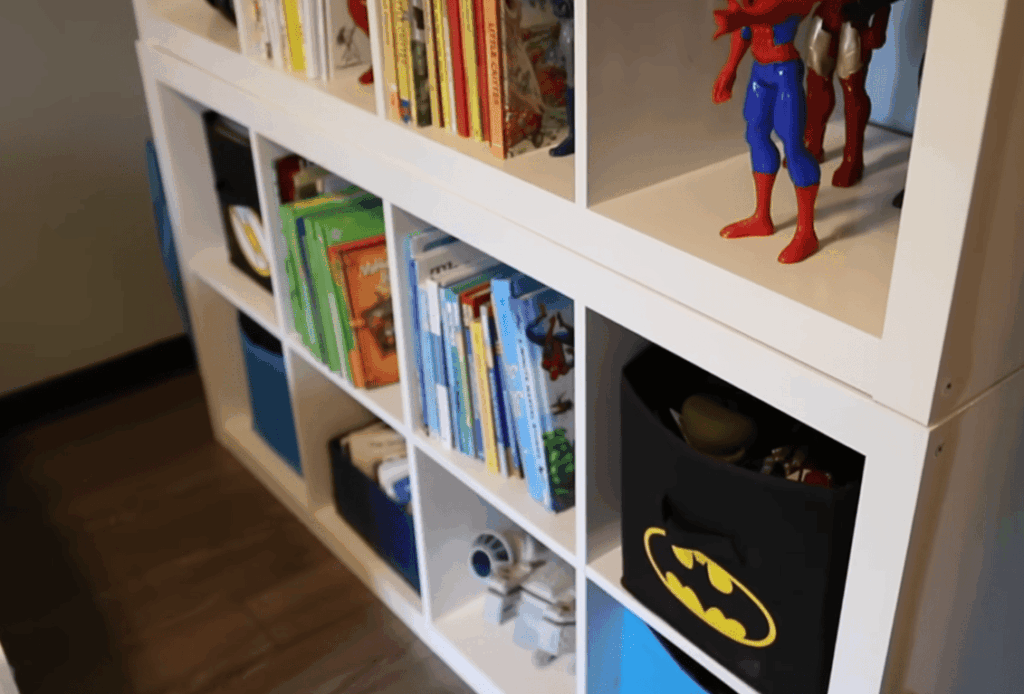
It also keeps drawers and clothing safely out of the main area. Modular cube units are incredibly versatile.
They can display books, hold toys in bins, and even serve as a nightstand. Use wall-mounted shelves for frequently used items.
Store less-used items higher up. Soft, open baskets on the floor make cleanup simple and safe.
| Storage Type | Primary Purpose | Ideal For | Key Feature |
|---|---|---|---|
| Under-Bed Roller Bins | Concealed Seasonal Storage | Out-of-season clothes, extra bedding | Easy slide-out access, saves space |
| Modular Cube Shelves | Flexible Display & Organization | Books, toys, art supplies | Configurable, doubles as furniture |
| Wall-Mounted Shelves | Vertical Space Utilization | Favorite keepsakes, reading materials | Keeps floor clear, customizable height |
Dual-Purpose Furniture Ideas
Choose pieces that serve more than one role. A storage ottoman at the foot of the bed offers seating and hides toys inside.
Beds with built-in drawers underneath eliminate the need for a separate dresser. They keep everyday items tucked away yet within reach.
Look for chairs with flip-up seats that reveal hidden compartments. This furniture is a smart investment for a growing child’s bedroom.
It solves multiple problems without crowding the room with extra items.
Creating Zones: Sleep, Play, and Study
Effective design carves out specific areas for sleep, play, and study, making every square foot work smarter. This zonal approach brings order to daily routines. It helps a young person understand where activities begin and end.
Sleep Zone Setup
Start by positioning the bed thoughtfully. A twin-sized bed is ideal for a child‘s room as it uses less floor space.
Pushing it into a corner opens up the center of the room for other uses. Look for a bed frame with built-in drawers or open space underneath.
This provides hidden storage for clothes or extra bedding. It keeps the sleep surface clear and the zone feeling calm.
Play Area Inspirations
Use a colorful area rug to visually define the play space. Your child can see the boundary and keep toys within it.
This creates a cozy spot for floor activities. Add a small table and chairs nearby for crafts and coloring.
Position this setup near a window for good light. Use shelves or bins next to the table to organize art supplies and books.
Study Space Considerations
Even young kids benefit from a dedicated spot for focused tasks. A simple desk in a quiet corner provides private space for homework.
This is more effective than using a shared family table. Ensure the desk has proper lighting and a comfortable chair.
Include nearby shelves or drawers for school supplies, books, and reference materials. This organized nook encourages concentration.
| Zone | Core Furniture | Key Feature | Primary Purpose |
|---|---|---|---|
| Sleep | Twin Bed, Nightstand | Built-in Under-Bed Storage | Restful, Uncluttered Retreat |
| Play | Activity Rug, Small Table | Defined Visual Boundary | Creative Exploration & Fun |
| Study | Desk, Comfortable Chair | Dedicated, Well-Lit Surface | Focused Learning & Projects |
Choosing the Right Color Palette and Accessories
A sophisticated color palette forms the backbone of a room that can mature gracefully over the years. This strategy avoids the need for a full repaint every few seasons. It creates a calming backdrop for sleep and play.
Opt for medium-tone wall colors you would genuinely like in any living area. Soft grays, muted blues, or sage greens feel modern and serene. In a bedroom with little light, a color like Half Moon Crest by Benjamin Moore adds warmth without feeling dark or scary.
Balancing Playfulness with Sophistication
Keep your large items and walls neutral. Introduce all the fun through accessories and textiles you can swap out later. This is where your child’s current passions can shine brightly.
Mix two to three patterns in the space to avoid chaos. Use one large-scale pattern, like a painting, one medium pattern for a rug, and one small pattern on the bedding. This rule adds visual interest while keeping the design cohesive.
Display favorite toys as decorative objects on a timeless shelf. Hang artwork at your child’s eye level. These ideas make the room feel personal without permanent themed murals or furniture.
| Strategy | Color & Wall Approach | Accessory & Personality | Long-Term Benefit |
|---|---|---|---|
| Juvenile Approach | Primary colors or themed murals | Personality locked into furniture | Feels outdated quickly, requires major redo |
| Sophisticated Foundation | Medium-tone neutrals (gray, sage, cream) | Toys as decor, swappable bedding/art | Grows with child, easy seasonal updates |
Thoughtful accessory choices teach children to value their belongings. They learn to curate their rooms intentionally. This approach works for all bedrooms, from minimalist to vintage-inspired design.
Safety and Timeless Design in Kids Furniture Layouts
Prioritizing protection in a child’s domain ensures both peace of mind and playful freedom. A secure room blends careful planning with durable, well-chosen pieces.
Child-Proofing Essentials
Start with sleep spaces. Bunk beds maximize floor area for siblings or guests. Select models with sturdy guardrails and integrated storage stairs.
Always secure these beds to the wall. The top bunk suits children over six. Younger kids belong on the lower bed.
Examine all storage. Toy chests require slow-close hinges. Avoid heavy lids that could harm a child.
Remove dangling cords. Window blind cords pose a serious strangulation risk. Opt for cordless treatments in the child bedroom.
Anchor tall case goods. Dressers and bookshelves must be fastened to studs. Earthquake ties prevent tipping accidents.
Check for sharp edges. Install corner guards for active kids. Ensure all hardware sits flush and tight.
Timeless design relies on quality construction. Solid beds and case pieces from trusted brands meet strict safety standards. Their classic profiles remain stylish for years.
| Item | Primary Hazard | Essential Solution |
|---|---|---|
| Bunk Beds | Falls from height | Wall attachment, full guardrails, age-appropriate use |
| Toy Chests | Lid entrapment | Slow-close hinges or lidless bin alternatives |
| Window Blinds | Cord strangulation | Cordless shades or certified cord shorteners |
| Tall Dressers | Tip-over collapse | Furniture straps anchored into wall studs |
Conclusion
A well-organized personal area can significantly enhance a youngster’s daily life. By defining clear zones for sleep, play, and study, you create a functional layout that supports their routine.
Smart storage solutions are key. Utilize beds with drawers, versatile shelves, and labeled bins to keep toys and books in order. This leaves plenty of open space for activities.
Choosing timeless furniture allows the bedroom to grow with your child. You can update the look easily with new bedding and art. This way, the kids room remains fresh for years.
Always anchor tall pieces and choose safe, age-appropriate beds. Involving your child in the process fosters pride and teaches organization. The result is a beautiful, practical room where they can truly thrive.